
Eczema Treatment in Hyderabad
Persistent dryness. Relentless itching. Recurring flares. Our skin specialists at Doctor Skin combine accurate diagnosis with personalised care plans to help you manage eczema effectively and improve your quality of life long-term.
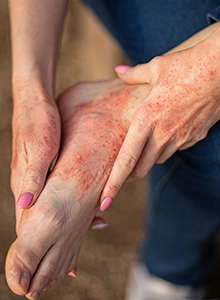
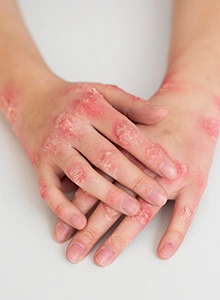
Talk to a Skin Expert Today
What is Eczema?
Eczema, also known as atopic dermatitis, is a chronic inflammatory skin condition that causes the skin to become dry, itchy, inflamed, and prone to recurring flare-ups. It occurs when the skin’s natural barrier function is weakened, making it less able to retain moisture and more vulnerable to irritants, allergens, and environmental triggers.
Eczema is one of the most common skin conditions seen by dermatologists. It can appear at any age, though it most commonly develops in infancy or early childhood. Many children see significant improvement as they grow older, but for many people, eczema persists into adulthood or first appears in adulthood.
While eczema is not curable, it is very much manageable, and with the right treatment plan, many people achieve long periods of clear, comfortable skin with minimal flare-ups.
Important: Eczema is not contagious. It cannot spread through skin contact, sharing items, or any form of physical interaction. It is an inflammatory skin condition driven by immune system activity and genetic skin barrier factors, not an infection.
Quick Facts About Eczema
- Eczema is a chronic inflammatory skin condition that develops due to a combination of immune system dysfunction and a weakened skin barrier.
- It can affect any area of the body, but most commonly appears on the face, hands, inner elbows, wrists, and behind the knees.
- Eczema typically follows a pattern of flare-ups and remission, with symptoms improving and worsening over time.
- Many people with eczema also have related allergic conditions such as asthma, hay fever, or allergic rhinitis.
- Common eczema triggers include stress, allergens, weather changes, harsh soaps, fragrances, and certain skincare products.
- Diagnosis is usually based on a physical examination, medical history, symptoms, and the pattern of skin involvement.
- Treatment options vary according to severity and may include moisturizers, topical medications, lifestyle modifications, and other medical therapies.
Types of Eczema
Eczema includes several different skin conditions, each with unique symptoms, triggers, and patterns of skin involvement. Identifying the specific type of eczema helps guide appropriate treatment and long-term management.
Atopic Dermatitis
Atopic dermatitis is the most common type of eczema. It is associated with a genetic tendency toward allergies and often affects the face, neck, inner elbows, and behind the knees. Symptoms include dry skin, intense itching, redness, and inflammation.
Contact Dermatitis
Contact dermatitis occurs when the skin reacts to an irritant or allergen. Common triggers include soaps, detergents, fragrances, cosmetics, metals such as nickel, and certain chemicals. Symptoms typically develop in areas that come into direct contact with the trigger.
Dyshidrotic Eczema
Dyshidrotic eczema affects the hands and feet. It causes small, itchy blisters on the fingers, palms, and soles that may crack, peel, or become painful during flare-ups.
Nummular Eczema
Nummular eczema, also known as discoid eczema, appears as round or oval patches of irritated skin. These areas are often itchy, inflamed, and may ooze fluid. It commonly affects the arms, legs, and trunk.
Seborrheic Dermatitis
Seborrheic dermatitis develops in areas rich in oil glands, including the scalp, face, ears, and chest. It often causes dandruff, flaky skin, redness, and greasy-looking patches.
Neurodermatitis
Neurodermatitis results from repeated scratching or rubbing of the skin. Over time, the affected area becomes thickened, rough, and intensely itchy. Common locations include the neck, wrists, ankles, and scalp.
Stasis Dermatitis
Stasis dermatitis occurs due to poor circulation in the lower legs. Symptoms may include swelling, itching, skin discoloration, dryness, and, in severe cases, skin ulcers.
Eczema Symptoms
Eczema symptoms can vary from person to person and may change over time. Some individuals experience mild intermittent flare-ups, while others develop persistent symptoms that affect daily life.
Common symptoms of eczema include:
- Dry, rough, or sensitive skin
- Persistent itching that may worsen at night
- Red, inflamed, or irritated skin patches
- Brown, gray, or darker areas of skin discoloration
- Small raised bumps that may leak fluid when scratched
- Thickened, scaly, or leathery skin
- Cracked skin that may become painful
- Swelling caused by repeated scratching
- Burning, stinging, or warmth in affected areas during flare-ups
- Dark marks or post-inflammatory skin changes after healing
Symptoms often occur in cycles, with periods of improvement followed by flare-ups triggered by factors such as stress, allergens, weather changes, infections, or skin irritants.
When Should You See a Doctor?
You should consult a doctor if your eczema causes persistent itching, severe dryness, cracking, or irritation, if flare-ups are becoming frequent, if symptoms are affecting your sleep or daily activities, or if your skin becomes painful, swollen, or shows signs of infection.
Early evaluation and a personalised eczema treatment plan can help manage symptoms, reduce flare-ups, and support healthier, more comfortable skin.
BOOK A SKIN CONSULTATION
Understanding Eczema Flare-Ups
Common Eczema Triggers
- Dry weather and cold temperatures that reduce skin moisture
- Heat and excessive sweating
- Harsh soaps, detergents, and cleaning products
- Fragrances, preservatives, and certain skincare products
- Wool, synthetic fabrics, and rough clothing materials
- Emotional stress and anxiety
- Allergens such as dust mites, pollen, and pet dander
- Bacterial, viral, or fungal infections
- Hormonal changes during menstruation or pregnancy
Note: Keeping a simple note of when your symptoms worsen, such as season, clothing, activity, and diet, can help your skin specialist identify your personal pattern and refine your treatment plan accordingly.
Expert Eczema Care at Dr Skin
Homeopathic Care for Eczema in Hyderabad
At Dr Skin, we recognize that eczema affects every individual differently. The severity of symptoms, trigger patterns, affected areas, medical history, and impact on daily life are carefully evaluated to develop a personalized care plan.
Comprehensive Case Evaluation
Every consultation begins with a detailed assessment of your eczema history, flare-up patterns, triggers, previous treatments, lifestyle factors, and associated allergic conditions such as asthma or allergic rhinitis.
Individualized Homeopathic Treatment Plans
Our approach focuses on understanding the complete health picture, including skin symptoms, overall well-being, sleep patterns, emotional health, and environmental influences to support individualized care.
Focus on Long-Term Skin Wellness
Eczema is often a recurring condition with periods of flare-ups and remission. We emphasize long-term management through regular monitoring, treatment reviews, and patient education.
Guidance Beyond Treatment
Effective eczema management often includes skincare practices, trigger identification, stress management, moisturization routines, and lifestyle modifications that support healthier skin.
Personalized Care at Every Stage
Regular follow-up consultations allow us to assess progress, review symptom changes, and refine the care plan as needed. Our goal is to provide patient-centered support that promotes long-term skin health and quality of life.
Not Sure Which Eczema Treatment Is Right for You?
Book a consultation with a Doctor Skin specialist in Hyderabad. We’ll assess your condition and guide you through the best options for your skin.
Daily Management
Lifestyle Tips to Manage Eczema
Moisturize Consistently
Apply a fragrance-free moisturizer at least twice daily and after bathing. Consistent moisturization helps strengthen the skin barrier and reduce flare-ups.
Bathe Gently
Use lukewarm water, limit bathing time, and choose mild, soap-free cleansers. Avoid hot water, which can dry and irritate the skin.
Choose Skin-Friendly Clothing
Wear soft, breathable cotton fabrics and avoid wool or rough synthetic materials. Use gentle, fragrance-free laundry products whenever possible.
Manage Stress
Stress can trigger or worsen eczema symptoms. Regular exercise, adequate sleep, mindfulness, and relaxation techniques may help reduce flare frequency.
Control Your Environment
Keep indoor air comfortably humid and reduce exposure to dust, allergens, and other environmental triggers that may aggravate eczema.
Avoid Known Triggers
Identify and avoid personal triggers such as certain skincare products, fabrics, allergens, weather conditions, or irritants that worsen symptoms.
How Homeopathy Approaches Eczema
In homeopathy, eczema is seen as more than a surface-level skin problem. Instead of simply suppressing inflammation, treatment aims to regulate the body’s internal response patterns. Homeopathy focuses on improving the immune system for better long-term health
- Individual symptom patterns
- Possible emotional or stressful precipitating factors
- Family history of atopy/eczema
- Nature of itching and burning
- Flare-up triggers
- Skin behavior over time
- Associated sensitivities or tendencies
- Reduction in frequency of flare-ups
- Improved skin tolerance
- Gradual normalization of skin response
Ready to Find Gentle Relief from Eczema?
Stop the cycle of flares and steroids. Give your family safe, natural, lasting relief through constitutional homeopathy.
Frequently Asked Questions About Eczema
What is the main cause of eczema?
Eczema develops due to a combination of genetic factors, skin barrier dysfunction, and immune system overactivity. A family history of eczema, asthma, or allergies may increase the risk.
Is eczema contagious?
No. Eczema is not contagious and cannot spread through physical contact, sharing personal items, or close interaction with another person.
Can eczema be cured permanently?
There is currently no permanent cure for eczema. However, appropriate treatment and daily skin care can help control symptoms and reduce flare-ups.
What triggers eczema flare-ups?
Common triggers include dry weather, heat, sweating, stress, allergens, harsh soaps, fragrances, and certain fabrics. Triggers can vary from person to person.
Which doctor should I consult for eczema in Hyderabad?
A dermatologist or skin specialist can diagnose eczema and recommend an appropriate treatment plan based on your symptoms, skin type, and medical history.
Is eczema linked to other health conditions?
Yes. Eczema is often associated with asthma, allergic rhinitis, and other allergic conditions. Some people may also experience sleep disturbances due to itching.