
Best Homeopathic Treatment for Fungal Infection
Persistent itching, rashes, or recurring skin infections? Dr Skin offers personalized homeopathic care for all types of fungal infections, addressing both symptoms and root causes for long-term relief.
Make an Appointment
Talk to a Skin Expert Today
What Is a Fungal Infection?
A fungal infection occurs when fungi, microscopic organisms naturally present on the skin and in the environment, multiply excessively and affect the skin, nails, scalp, or mucous membranes. Warm, humid conditions, excessive sweating, poor hygiene, and weakened immunity can increase the risk of infection.
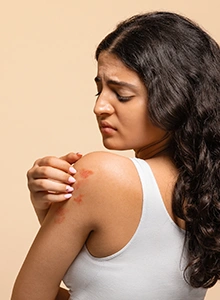
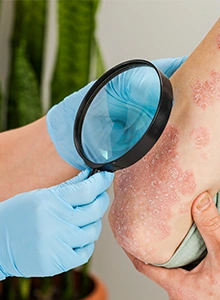
Fungal infections are among the most common skin conditions worldwide and may cause itching, redness, rashes, scaling, skin discoloration, or nail changes. Common types include ringworm, athlete’s foot, jock itch, and nail fungus.
While most fungal infections are not serious, they can be uncomfortable, contagious, and prone to recurrence if not treated properly. Early diagnosis and appropriate treatment help control symptoms, prevent spread, and support long-term skin health.
Quick Facts About Fungal Infections
- Caused by the overgrowth of fungi in warm, moist areas of the body
- Can affect the skin, scalp, nails, and mucous membranes
- More common in hot, humid climates, particularly during the summer months
- Certain infections can spread through direct skin contact or shared personal items
- Risk increases with excessive sweating, diabetes, weakened immunity, or antibiotic use
- Diagnosis is typically clinical and is confirmed by appearance and symptom pattern
- Treatment ranges from topical antifungal creams to oral medications, depending on type and severity
Common Types of Fungal Infections
Ringworm (Tinea Corporis)
A circular, ring-shaped rash that appears on the body or face. Despite its name, it is caused by a fungus and not a worm. It spreads easily through skin contact and contaminated surfaces.
Athlete's Foot (Tinea Pedis)
A fungal infection of the feet, commonly between the toes, causes itching, peeling, and cracked skin. Frequently picked up in communal areas like gyms, swimming pools, and locker rooms.
Jock Itch (Tinea Cruris)
Affects the groin, inner thighs, and buttocks. More common in people who sweat heavily and are aggravated by tight-fitting clothing and warm, humid weather, like Hyderabad summers.
Nail Fungus (Onychomycosis)
A fungal infection of the fingernails or toenails, causing them to become thickened, brittle, discoloured, or crumbly. Nail infections typically require longer treatment than skin infections.
Scalp Ringworm (Tinea Capitis)
A fungal infection of the scalp and hair shafts, more commonly seen in children. May cause patchy hair loss, scaling, and itching, and requires medicated shampoos or oral medication.
Candidiasis (Yeast Infection)
Caused by Candida yeast, this type affects warm, moist areas such as the mouth, skin folds, genitals, and nails. More likely in people with weakened immunity, those on antibiotics, or those with uncontrolled diabetes.
Signs and Symptoms of Fungal Infection
Common Symptoms of Fungal Infection
The symptoms of a fungal infection vary depending on the affected area, but common signs include:
- Persistent itching and skin irritation
- Red, inflamed, or scaly rashes
- Peeling, cracked, or flaky skin, especially between the toes or in skin folds
- Burning or stinging sensations
- Skin discoloration, including darker or lighter patches
- Thickened, brittle, yellow, or discolored nails
- Scalp scaling, flaking, or dandruff-like shedding
- White patches inside the mouth caused by oral thrush
- Itching that worsens after sweating or during the night
If a fungal infection continues to spread, does not improve within two weeks, or keeps returning despite treatment, a doctor should evaluate the condition to confirm the diagnosis and recommend the most effective treatment plan.
When Should You See a Doctor?
You should consult a skin specialist if your infection is spreading to new areas of the skin, if it is not improving after two weeks of basic home care, if it keeps recurring after treatment, or if it involves the scalp or nails. People with diabetes or weakened immunity should seek a consultation early rather than waiting.
Early diagnosis and a targeted treatment plan can clear the infection more effectively and significantly reduce the likelihood of it returning.
BOOK A SKIN CONSULTATION
Understanding Flare-Ups
Common Fungal Infection Triggers
While fungal infections are directly caused by fungal overgrowth, several everyday factors create the conditions that allow fungi to thrive. Identifying and managing these factors is a core part of long-term prevention. Fungi grow best in warm, moist environments, making certain lifestyle, environmental, and health factors more likely to trigger an infection. Common causes and risk factors include:
- Excessive sweating: Constant moisture on the skin creates ideal conditions for fungal growth.
- Poor hygiene practices: Infrequent bathing or failing to dry the skin thoroughly can promote fungal growth.
- Tight or non-breathable clothing: Synthetic fabrics and tight-fitting clothes trap heat and sweat against the skin.
- Hot and humid weather: Warm, humid climates increase the risk of skin fungal infections, particularly in areas prone to sweating.
- Weakened immune system: Reduced immunity can make it harder for the body to control fungal overgrowth.
- Uncontrolled Diabetes: Elevated blood sugar levels can create an environment where fungi thrive more easily.
- Sharing personal items: Towels, footwear, clothing, bedding, and combs can spread fungal organisms from one person to another.
- Long-term antibiotic use: Antibiotics may disrupt the natural balance of microorganisms, allowing fungi to overgrow.
Note: Keeping a simple note of when your symptoms worsen, such as season, clothing, activity, and diet, can help your skin specialist identify your personal pattern and refine your treatment plan accordingly.
Expert Care at Dr Skin
Fungal Infection Treatment Options in Hyderabad
There is no one-size-fits-all approach to treating fungal infections. At Dr Skin, our specialists assess the type, location, severity, and any contributing health factors before recommending a treatment pathway tailored specifically to you.
Antifungal Creams and Ointments
The first line of care for mild to moderate skin fungal infections, including ringworm, athlete's foot, and jock itch. Topical antifungal creams are applied directly to the affected area for a prescribed duration and are generally well tolerated. It is important to continue using them for the full recommended period, as stopping early when symptoms improve is one of the most common reasons infections return.
Oral Antifungal Medications
For widespread, stubborn, or recurring skin infections, and for all scalp and nail fungal infections, oral antifungal medications are typically required. These work systemically and are prescribed after evaluation of the infection type and overall health profile. Regular monitoring may be recommended depending on the duration of treatment.
Medicated Shampoos
Scalp fungal infections (Tinea Capitis) are treated with specific medicated antifungal shampoos alongside oral therapy in most cases. Medicated shampoos alone are rarely sufficient for scalp infections, particularly those involving significant hair loss or crusting. They are most effective when used consistently and as directed throughout the full treatment period.
Nail Fungal Treatment
Nail infections require considerably longer treatment durations than skin infections, often three to six months or more. This is due to the slow growth rate of nails. Treatment options include topical medicated nail lacquers for mild cases and oral antifungal medications for moderate to severe involvement. Patience and consistency are essential.
Lifestyle and Hygiene Guidance
Effective treatment extends beyond medication. Identifying personal risk factors, such as excessive sweating, footwear choices, clothing habits, or blood sugar control, and addressing them alongside medical treatment is central to preventing recurrence. Your Dr Skin specialist will provide practical, personalised guidance as part of your care plan.
Personalised Treatment Plans
At Dr Skin in Hyderabad, no two patients receive the same approach. Our specialists conduct a thorough assessment that considers the infection type, affected areas, previous treatment history, underlying health conditions, and lifestyle. A structured, goal-oriented plan is designed from there, adjusted over time as your skin responds. Regular follow-up appointments ensure your care remains on track.
Not Sure Which Treatment Is Right for You?
BOOK A SKIN CONSULTATION
Daily Management Tips for Fungal Infections
Lifestyle Tips to Manage and Prevent Fungal Infections
Alongside medical treatment, consistent daily habits have a direct impact on how quickly infections clear and how effectively recurrence is prevented.
- Keep Skin Clean and Dry: Wash and thoroughly dry the skin daily, particularly between the toes, in skin folds, and in the groin area. Fungi cannot thrive on dry skin. Pat dry rather than rubbing, especially on sensitive or already-irritated skin.
- Wear Breathable Clothing: Choose loose-fitting, natural cotton fabrics that allow air circulation and reduce moisture buildup against the skin. Avoid synthetic fabrics and very tight clothing, particularly in warm weather.
- Change Daily: Socks and undergarments should be changed daily. It should be done more frequently if you sweat heavily. Moisture-wicking socks are particularly helpful for people prone to athlete's foot.
- Never Share Personal Items:Towels, footwear, nail clippers, combs, and clothing should never be shared, even within households. Fungal spores can survive on fabric and surfaces for extended periods.
- Control Blood Sugar:For people with diabetes, maintaining good blood sugar control is one of the most effective ways to reduce susceptibility to fungal infections. Elevated glucose levels create conditions where fungi can multiply rapidly.
- Complete Your Treatment Course:FEven after symptoms fully resolve, it is important to complete the full prescribed treatment duration. Stopping early leaves residual fungal activity that can lead to rapid recurrence.
Ready to Stop Recurring Fungal Infections?
Break free from the cycle of fungal infections. Experience lasting relief through constitutional homeopathy.
BOOK A SKIN CONSULTATION
Frequently Asked Questions About Fungal Infections
Are fungal infections contagious?
Some fungal infections are contagious and can spread through skin contact or shared personal items like towels, footwear, and combs. Ringworm and athlete’s foot commonly spread in gyms, pools, and locker rooms. Keeping skin clean and dry and avoiding shared items can help reduce the risk.
Can fungal infections be cured permanently?
Most fungal infections can be completely cleared with proper treatment. However, they may recur if the underlying causes or hygiene factors aren’t addressed. Completing the treatment and maintaining good hygiene helps prevent recurrence.
How long does fungal infection treatment take?
Treatment duration depends on the type and severity of the fungal infection. Most skin infections clear within 2–6 weeks, while scalp infections may take longer. Nail fungal infections often require 3–6 months or more due to slow nail growth.
Are your treatments safe for all ages?
Yes, our natural and homeopathic treatments are gentle enough for all age groups, including children and seniors.
What should I expect during my first visit?
During your first consultation, we’ll take a thorough history of your skin concerns, discuss your lifestyle, and create a personalized care plan to help you achieve healthy, glowing skin.
Which doctor should I consult for a fungal infection in Hyderabad?
Consult a skin specialist for an accurate diagnosis and proper treatment. At Dr Skin, Hyderabad, specialists provide personalised treatment and follow-up care for fungal skin infections to help clear the infection and prevent recurrence.
Is fungal infection linked to other health conditions?
Yes. Fungal infections can be more common and harder to treat in people with conditions like diabetes or weakened immunity. Recurrent or persistent infections may sometimes indicate an underlying health issue and should be evaluated by a specialist.