
Lichen Planus Treatment in Hyderabad
Painful sores. Persistent itching. Purple patches that appear without warning. Our skin specialists at Doctor Skin provide accurate diagnosis and personalised treatment plans to help you manage lichen planus effectively and protect your skin, mouth, and overall well-being.
Make an Appointment
Talk to a Skin Expert Today
What Is Lichen Planus?
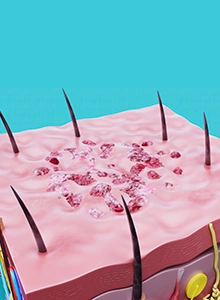
Lichen planus is a chronic inflammatory condition that affects the skin, mouth, scalp, nails, or genital areas. It develops when the immune system triggers inflammation, leading to characteristic rashes, patches, or lesions.
Lichen planus may cause itching, discomfort, skin discoloration, oral sores, or scalp involvement. In some cases, scalp lichen planus can affect hair growth, making early evaluation important.
At Dr Skin, our specialists focus on accurate diagnosis, identifying the affected areas, and creating personalized management plans based on each patient’s symptoms and needs.
Important: Lichen planus is not contagious. It cannot spread through touch, kissing, sharing utensils, or close contact. It is an immune-mediated condition and is not caused by poor hygiene or infection.
Quick Facts About Lichen Planus
- Lichen planus is an immune-mediated inflammatory condition that affects the skin, mouth, scalp, nails, and genital areas.
- It is most commonly diagnosed in adults between 30 and 60 years of age.
- The condition develops when the immune system mistakenly attacks healthy skin or mucosal cells.
- Skin lichen planus often improves within 1 to 2 years, while oral and genital lichen planus may persist longer.
- Oral lichen planus requires regular monitoring due to a small risk of long-term cellular changes.
- Many people experience periods of flare-ups followed by symptom-free phases.
- Diagnosis is usually based on clinical examination and may be confirmed with a skin or mucosal biopsy when needed.
- Lichen planus is not contagious and cannot spread through physical contact.
- In some individuals, lichen planus may be associated with underlying conditions such as hepatitis C infection.
- Early diagnosis, appropriate treatment, and regular follow-up can help improve comfort, symptom control, and quality of life.
Types of Lichen Planus
Cutaneous Lichen Planus (Skin)
The most common type of lichen planus. It causes itchy, flat-topped purple or violet bumps, usually on the wrists, ankles, forearms, and lower legs.
Oral Lichen Planus
Affects the inside of the mouth, including the cheeks, gums, tongue, and lips. It may appear as white lace-like patches or painful sores and often requires long-term monitoring.
Genital Lichen Planus
Occurs in the genital area and may cause discomfort, burning, irritation, or soreness. Early evaluation helps prevent complications and supports symptom management.
Scalp Lichen Planus (Lichen Planopilaris)
Affects hair follicles on the scalp and may cause redness, scaling, and hair loss. Early diagnosis is important because some hair loss can become permanent.
Nail Lichen Planus
Can affect fingernails and toenails, causing ridges, thinning, splitting, or nail deformities. In some cases, nail damage may become long-lasting.
Erosive Lichen Planus
A more severe form that causes painful ulcers or erosions, commonly affecting the mouth or genital area. It can significantly impact eating, speaking, and daily comfort.
Linear Lichen Planus
A rare type where lesions appear in a line or streak pattern on the skin. It is more commonly seen in children than adults.
Hypertrophic Lichen Planus
Characterized by thick, raised, intensely itchy plaques, usually on the lower legs and ankles. This type tends to be more persistent than other forms.
Lichen Planus Symptoms
Lichen planus symptoms vary depending on the area affected, but the condition commonly involves the skin, mouth, scalp, nails, or genitals.
Skin Symptoms
- Small, flat-topped purple or violet bumps
- Itchy, shiny skin lesions
- Fine white lines on the surface (Wickham's striae)
- New lesions appearing after skin injury or scratching
- Dark marks remaining after healing
Oral Lichen Planus Symptoms
- White lacy patches inside the cheeks, gums, or tongue
- Painful mouth sores or ulcers
- Burning sensation when eating spicy or acidic foods
- Discomfort while eating, drinking, or speaking
- Gum sensitivity or bleeding
Scalp Symptoms (Lichen Planopilaris)
- Redness and scaling around hair follicles
- Scalp itching or tenderness
- Patchy hair loss that may become permanent if untreated
Nail Symptoms
- Nail ridging, thinning, or splitting
- Rough or brittle nails
- Changes in nail shape or growth
- In severe cases, permanent nail damage
Genital Lichen Planus Symptoms
- Pain, burning, or irritation
- White, red, or purple patches
- Raw or sensitive areas
- Scarring in long-standing erosive disease
If you notice persistent itchy skin lesions, mouth ulcers, scalp hair loss, or nail changes, consult a skin specialist for an accurate lichen planus diagnosis and appropriate treatment plan.
When Should You See a Skin Specialist?
Consult a dermatologist if you notice:
- Persistent itchy purple or violet skin bumps
- White patches, sores, or ulcers in the mouth lasting more than 2–3 weeks
- Unexplained hair loss with scalp redness or scaling
- Nail thinning, ridging, splitting, or other unexplained nail changes
- Painful, burning, or persistent genital lesions
Early evaluation is important, especially for oral, scalp, and nail lichen planus, as timely diagnosis can help prevent long-term complications.
What Can Trigger or Worsen Lichen Planus?
Several factors may contribute to lichen planus flare-ups or be associated with the condition:
Stress
Emotional or physical stress may trigger or worsen symptoms.
Hepatitis C Infection
Some cases of lichen planus are associated with hepatitis C.
Certain Medications
Blood pressure medicines, NSAIDs, antimalarials, and other drugs may cause lichenoid reactions.
Dental Materials
Some dental fillings or restorations may be linked to oral lichen planus in certain individuals.
Skin Injury
New lesions may appear at sites of cuts, scratches, or friction (Koebner phenomenon).
Allergic Reactions
Contact sensitivities can sometimes aggravate symptoms.
Autoimmune Conditions
Lichen planus may occur more often in people with thyroid disorders or other autoimmune diseases.
Important: If symptoms begin after starting a new medication, inform your doctor, as some drug-induced reactions can closely resemble lichen planus.
Our Treatment Process for Lichen Planus
Step 1: Detailed Consultation
We assess your symptoms, affected areas, medical history, possible triggers, and overall health to gain a complete understanding of your condition.
Step 2: Personalized Homeopathic Care Plan
An individualized homeopathic treatment plan is developed based on your unique symptom pattern, health profile, and treatment goals.
Step 3: Regular Follow-Up and Monitoring
Ongoing consultations help us review changes in symptoms, monitor progress, and refine your care plan whenever needed.
Not Sure Which Treatment Is Right for You?
Book a consultation with a Dr Skin specialist in Hyderabad. We’ll assess your pigmentation type and skin profile, and guide you through the most appropriate options for your skin.
Expert Homeopathic Support for Lichen Planus
Comprehensive Case Evaluation
Every consultation begins with a detailed assessment of symptoms, affected areas, medical history, trigger factors, and the impact of lichen planus on daily life.
Individualised Homeopathic Care
Homeopathic care is tailored to the individual, considering physical symptoms, overall health, emotional well-being, and personal health characteristics rather than focusing only on visible lesions.
Support for Long-Term Management
As lichen planus can follow a pattern of flare-ups and remission, ongoing follow-ups help monitor changes, review progress, and refine the supportive care plan when needed.
Guidance Beyond Treatment
Patients receive practical guidance on skin care, oral hygiene, trigger awareness, stress management, and lifestyle measures that may support overall well-being.
Personalised Care at Every Stage
At Dr Skin, every patient receives an individualized supportive care plan designed around their symptoms, health history, and treatment goals, alongside appropriate medical and dermatological care.
Daily Management Tips for Lichen Planus
Manage Stress
Stress may trigger flare-ups. Regular sleep, exercise, relaxation techniques, and mindfulness can support overall well-being.
Protect Your Skin
Avoid scratching, friction, and skin injury, as new lesions may develop in affected areas.
Maintain Good Oral Care
If you have oral lichen planus, use a soft toothbrush, avoid irritating foods, and maintain regular dental check-ups.
Identify and Avoid Triggers
Certain medications, foods, dental materials, or environmental factors may worsen symptoms in some individuals.
Follow Your Care Plan Consistently
Regular use of prescribed treatments and timely follow-ups help support long-term symptom management.
Attend Regular Reviews
Ongoing monitoring is especially important for oral, scalp, and nail lichen planus.
Look After Emotional Well-Being
Living with a chronic skin condition can be challenging. Seeking support and discussing concerns with your healthcare provider can be helpful.
Looking for Personalized Lichen Planus Treatment?
At Dr Skin, we provide individualized homeopathic care tailored to your unique skin concerns. Schedule your consultation today.
Frequently asked questions
What causes lichen planus?
Lichen planus occurs when the immune system mistakenly attacks cells in the skin or mucous membranes. Stress, certain medications, hepatitis C, and autoimmune conditions may be associated with flare-ups.
Can lichen planus be cured permanently?
There is no permanent cure for lichen planus, but symptoms can often be managed effectively. Many skin cases improve over time, while oral and genital forms may require ongoing care.
What is the difference between lichen planus and psoriasis?
Lichen planus typically causes purple, flat-topped itchy bumps and may affect the mouth. Psoriasis usually causes thick, red, scaly plaques and follows a different disease process.
How long does lichen planus treatment take?
Treatment duration varies depending on the type, severity, and affected area. Some patients improve within weeks, while others may require longer-term management and follow-up.
Which doctor should I consult for lichen planus?
A dermatologist or skin specialist can diagnose and manage lichen planus. Oral involvement may also require assessment by a dental or oral medicine specialist.
Is homeopathy safe for managing lichen planus?
Homeopathy is generally used as a complementary and supportive approach under the guidance of a qualified practitioner. It should not replace medical evaluation or treatment, particularly for oral, scalp, nail, or genital lichen planus, which require ongoing monitoring and specialist care.