
Vitiligo Treatment in Hyderabad
Talk to a Skin Expert Today
What Is Vitiligo?
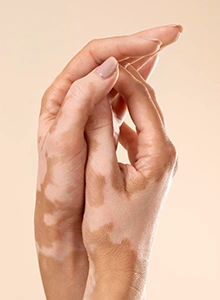
Vitiligo is a chronic autoimmune skin condition that causes loss of skin color in certain areas of the body. It occurs when melanocytes, the cells responsible for producing melanin, stop functioning or are destroyed, leading to white patches on the skin.
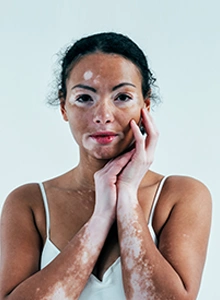
Vitiligo can affect the face, hands, arms, feet, scalp, lips, and other parts of the body. It may also cause patches of white hair on the scalp, eyebrows, eyelashes, or beard. The condition can develop at any age and affects people of all skin tones.
Although vitiligo is not physically harmful, its visible nature can affect self-confidence, emotional well-being, and quality of life. Early evaluation by a dermatologist can help determine the type of vitiligo and discuss appropriate treatment options.
Important: Vitiligo is not contagious. It cannot spread through skin contact, touch, or any form of physical interaction. It is an autoimmune condition; it originates from within the body’s own immune system, not from any external infection or hygiene factor.
Quick Facts About Vitiligo
- Vitiligo is caused by the loss of melanocytes, the cells that produce skin pigment.
- It can affect people of any age, gender, ethnicity, or skin type.
- White patches may appear on the skin, scalp, lips, or other areas of the body.
- Hair within affected areas may also turn white or gray.
- The condition may remain stable or progress over time, depending on the individual.
- Vitiligo is commonly associated with autoimmune conditions, particularly thyroid disorders.
- Diagnosis is usually based on a skin examination and may be supported by a Wood's lamp assessment.
- Vitiligo is not contagious, infectious, or related to personal hygiene.
- Many treatment options are available to help manage the condition and support repigmentation in suitable cases.
- Emotional and psychological well-being is an important part of comprehensive vitiligo care.
Types of Vitiligo
Non-Segmental Vitiligo
This is the most common type of vitiligo. White patches usually appear on both sides of the body and may gradually spread over time.
Focal Vitiligo
Focal vitiligo presents as one or a few isolated white patches in a single area. In some people, it remains stable for years without significant spread.
Universal Vitiligo
Universal vitiligo is a rare form in which most of the body's natural skin color is lost. It typically develops gradually over a long period.
Acrofacial Vitiligo
Acrofacial vitiligo mainly affects the face, fingers, toes, and areas around the eyes and mouth. It is characterized by depigmentation in these exposed regions.
Mucosal Vitiligo
Mucosal vitiligo affects the lining of the mouth, lips, or genital area. It may occur on its own or alongside vitiligo affecting the skin.
Vitiligo Symptoms
Common symptoms of vitiligo include:
- Clearly defined white or light-colored patches on the skin
- Patches that commonly appear on the face, hands, arms, feet, lips, and other sun-exposed areas
- Premature whitening or graying of scalp hair, eyebrows, eyelashes, or beard hair
- Loss of color inside the mouth or around the lips
- White patches that may remain stable or gradually spread over time
- New patches developing after skin injury, friction, cuts, burns, or repeated rubbing (Koebner phenomenon)
- Mild itching before a new patch develops in some individuals
Important to Know
- Vitiligo usually does not cause pain, burning, or significant physical discomfort.
- The condition affects skin color but does not damage the skin itself.
- Changes in patch size and spread can be unpredictable and vary between individuals.
When Should You See a Doctor for Vitiligo?
Consult a skin specialist if:
- You notice new white or pale patches on your skin
- Existing vitiligo patches are increasing in size or spreading
- White patches appear on the face, hands, lips, or other visible areas
- Hair in affected areas starts turning white or gray
- Vitiligo is affecting your confidence or emotional well-being
- You have a personal or family history of autoimmune conditions
Understanding Vitiligo Progression
What Affects How Vitiligo Spreads?
- Skin injuries such as cuts, burns, friction, or pressure (Koebner phenomenon)
- Severe sunburn or excessive UV exposure
- Emotional or physical stress
- Illnesses or infections that affect the immune system
- Hormonal changes during puberty, pregnancy, or other life stages
- Exposure to certain industrial or chemical substances
Expert Care at Doctor Skin
Homeopathic Care for Vitiligo in Hyderabad
Vitiligo affects more than skin pigmentation alone. The condition can influence confidence, emotional well-being, social interactions, and quality of life. At Dr Skin, we provide individualized homeopathic care that focuses on the person as a whole while working alongside appropriate dermatological evaluation and conventional treatment when required.
Comprehensive Case Evaluation
Every consultation begins with a detailed assessment of your vitiligo history, pattern of spread, affected areas, family history, associated autoimmune conditions, previous treatments, lifestyle factors, and overall health. This thorough evaluation helps us better understand each patient's unique experience with vitiligo.
Individualized Homeopathic Treatment Plans
Homeopathic treatment is tailored to the individual rather than the skin patches alone. Our approach considers physical symptoms, emotional well-being, stress factors, sleep patterns, personal health characteristics, and the overall impact of vitiligo on daily life.
Supportive Care Alongside Conventional Treatment
Many patients choose homeopathy as part of an integrative approach to vitiligo care. Homeopathic treatment may be used alongside dermatological monitoring, phototherapy, topical treatments, and other conventional management strategies recommended by a skin specialist.
Focus on Long-Term Skin Wellness
Vitiligo often follows an unpredictable course, requiring ongoing monitoring and support. We emphasize regular follow-up consultations, treatment reviews, patient education, and individualized care plans that evolve with changing needs over time.
Emotional and Psychological Support
The visible nature of vitiligo can have a significant emotional impact. Our consultations provide space to discuss concerns related to self-confidence, social interactions, emotional stress, and overall well-being as part of a holistic care approach.
Personalized Care at Every Stage
At Dr Skin, every vitiligo patient receives an individualized management plan based on their symptoms, medical history, lifestyle factors, treatment goals, and overall health profile. Our focus is on compassionate, patient-centered care that supports long-term well-being, informed decision-making, and quality of life throughout the vitiligo journey.
Not Sure Which Treatment Is Right for You?
Book a consultation with a Dr Skin specialist in Hyderabad. We’ll assess your vitiligo type and extent, and guide you through the most appropriate options for your skin and your life.
Daily Vitiligo Management Tips
Living Well With Vitiligo
Simple daily habits can help protect your skin, support overall skin health, and make living with vitiligo easier.
Protect Your Skin From the Sun
Use a broad-spectrum sunscreen with SPF 50 or higher on exposed skin every day. Depigmented skin lacks melanin and is more vulnerable to sunburn.
Avoid Skin Injury
Cuts, burns, friction, and repeated pressure may trigger new vitiligo patches in some people. Protect your skin whenever possible.
Moisturize Regularly
Keeping the skin hydrated supports overall skin health and helps maintain a healthy skin barrier.
Monitor Changes
Take periodic photos of affected areas and note any new patches. This can help you and your dermatologist track changes over time.
Manage Stress
Stress may be associated with vitiligo activity in some individuals. Regular exercise, good sleep, and relaxation techniques can support overall well-being.
Seek Support
Connecting with support groups, family, friends, or counseling services can help you cope with the emotional impact of vitiligo and improve confidence.
Ready to Take the Next Step for Vitiligo Care?
Understand your skin changes and explore personalised care for vitiligo. Get professional guidance focused on your individual skin concerns and overall well-being.
Frequently Asked Questions About Vitiligo
What causes vitiligo?
Vitiligo is an autoimmune condition in which the immune system mistakenly attacks melanocytes, the cells that produce skin pigment. Genetics, family history, skin injury, stress, and sunburn may contribute to its development or progression.
Is vitiligo contagious?
No, vitiligo is not contagious. It cannot spread through touch, physical contact, sharing personal items, or close interaction. Vitiligo is an autoimmune condition and is not caused by infection or poor hygiene.
What should I avoid if I have vitiligo?
If you have vitiligo, avoid excessive sun exposure, sunburn, repeated skin injuries, harsh chemicals, and anything that irritates your skin. Protecting your skin and following your dermatologist’s recommendations can help support overall skin health.
Can vitiligo be cured permanently?
There is currently no permanent cure for vitiligo. However, several treatment options may help manage the condition, support repigmentation in suitable cases, and improve the appearance of affected skin.