
Hyperpigmentation Treatment in Hyderabad
Dark patches, uneven skin tone, and stubborn marks can affect the way your skin looks and feels. At Dr Skin, our specialists provide personalized care plans to help you achieve healthier, more even-looking skin
Make an Appointment
Talk to a Skin Expert Today
What is Hyperpigmentation?
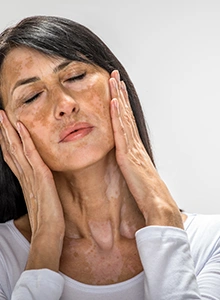
Hyperpigmentation is a common skin condition that causes certain areas of the skin to appear darker than the surrounding skin. This happens when the skin produces excess melanin, the natural pigment responsible for skin, hair, and eye color.
Several factors can trigger increased melanin production, including sun exposure, hormonal changes, skin inflammation, acne, injuries, certain medications, and underlying health conditions. As a result, dark patches, spots, or uneven skin tone may develop on different parts of the body, particularly the face.
Hyperpigmentation can affect people of all skin types, but it is often more noticeable and persistent in individuals with medium to darker skin tones. Given the high levels of year-round sun exposure in Hyderabad and across South India, pigmentation concerns are among the most common reasons patients seek dermatological care. At Dr Skin in Hyderabad, accurate identification of the cause always comes before any treatment recommendation.
An important point to understand is that hyperpigmentation is not a diagnosis by itself. It is a visible sign that an underlying trigger is affecting the skin. Identifying the cause is essential because different types of pigmentation require different management approaches.
Quick Facts About Hyperpigmentation
- Hyperpigmentation occurs when melanocytes produce excess melanin, leading to dark patches or uneven skin tone.
- It can affect people of all skin types and skin tones, although it is often more noticeable in medium to darker skin.
- Sun exposure is one of the most common factors associated with worsening pigmentation.
- Hyperpigmentation may involve the outer layer of the skin (epidermal), deeper layers (dermal), or both.
- Common types include melasma, post-inflammatory hyperpigmentation, sunspots, and medication-related pigmentation.
- Different types of pigmentation have different causes and may require different management approaches.
- Accurate diagnosis is important because some treatments may not be suitable for every type of pigmentation.
- Daily sun protection plays an important role in preventing pigmentation from becoming darker or more noticeable.
- Management options may include skincare measures, lifestyle modifications, topical treatments, procedural dermatology, or other individualized approaches based on clinical evaluation.
- Early assessment by a qualified skin specialist can help identify the underlying cause and guide appropriate care
Types of Hyperpigmentation
Hyperpigmentation is not a single condition. Different types of pigmentation have different causes, patterns, and management approaches. Identifying the correct type is an important first step in planning appropriate care.
Melasma
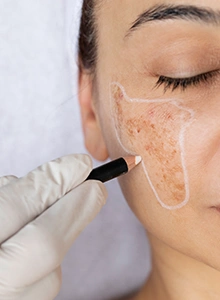
Melasma appears as symmetrical brown or gray-brown patches, most commonly on the cheeks, forehead, nose, and upper lip. It is often associated with hormonal changes, pregnancy, oral contraceptives, and sun exposure. Melasma is a chronic condition that may require long-term management.
Post-Inflammatory Hyperpigmentation (PIH)
PIH develops after skin inflammation or injury caused by conditions such as acne, eczema, psoriasis, burns, or allergic reactions. Dark marks remain after the original skin problem has healed. It is particularly common in medium to darker skin tones.
Solar Lentigines (Sunspots)
Sunspots are flat brown patches that develop due to years of cumulative sun exposure. They are commonly seen on the face, hands, shoulders, and forearms. Sunspots are benign but may become more noticeable with age.
Freckles (Ephelides)
Freckles are small brown spots that appear on sun-exposed skin, especially in individuals with a genetic predisposition. They typically become darker with sun exposure and may fade during periods of reduced sun exposure.
Drug-Induced Hyperpigmentation
Certain medications may contribute to skin darkening in some individuals. The pattern and severity vary depending on the medication involved. A detailed medical history can help identify possible medication-related causes.
Periorbital Hyperpigmentation (Dark Circles)
Periorbital hyperpigmentation refers to darkening around the eyes. Contributing factors may include genetics, pigmentation changes, allergies, lack of sleep, aging, or visible blood vessels beneath thin skin.
Lichen Planus Pigmentosus
Lichen Planus Pigmentosus causes gray-brown or slate-colored pigmentation, often on the face and neck. It is more commonly seen in darker skin types and may resemble other pigmentation disorders, making accurate diagnosis important.
Acanthosis Nigricans
Acanthosis Nigricans appears as dark, thickened, velvety skin in body folds such as the neck, underarms, and groin. It is often associated with insulin resistance, obesity, hormonal disorders, or metabolic health conditions.
Common Symptoms of Hyperpigmentation
Hyperpigmentation causes areas of skin to become darker than the surrounding skin due to excess melanin production. Common signs include:
- Dark patches or spots on the face, neck, hands, or other sun-exposed areas
- Brown or gray-brown patches on the cheeks, forehead, nose, or upper lip
- Dark marks left behind after acne, eczema, injury, or skin inflammation
- Uneven skin tone or patchy skin discoloration
- Pigmentation that becomes darker with sun exposure
- Skin darkening associated with hormonal changes, including melasma
- Velvety, dark patches in skin folds such as the neck or underarms
- Grayish or bluish discoloration seen in deeper pigmentation disorders
- Dark circles or increased pigmentation around the eyes
The appearance, location, and severity of hyperpigmentation vary depending on the underlying cause. A proper skin evaluation helps identify the specific type of pigmentation and guide appropriate management.
When Should You See a Skin Specialist?
Consider booking a consultation if:
- You notice new, spreading, or worsening dark patches on your skin
- Hyperpigmentation is not improving with regular skincare or over-the-counter products
- Uneven skin tone is affecting your confidence or quality of life
- Dark patches appear in unusual locations or patterns
- A spot is changing in size, shape, color, or border
- You are unsure whether the pigmentation is melasma, PIH, sunspots, or another condition
Understanding Hyperpigmentation Triggers
What Drives and Worsens Hyperpigmentation?
Several factors can trigger or worsen hyperpigmentation by increasing melanin production in the skin:
Sun exposure:
The most common trigger for melasma, sunspots, and other pigmentation disorders.
Heat exposure:
Excess heat may worsen pigmentation, particularly melasma.
Hormonal changes:
Pregnancy, oral contraceptives, and hormonal fluctuations can contribute to pigmentation.
Skin inflammation or injury:
Acne, eczema, allergic reactions, burns, and skin trauma may lead to post-inflammatory hyperpigmentation.
Harsh skincare products:
Over-exfoliation or irritating products can worsen discoloration.
Certain medications:
Some medicines may cause pigmentation changes as a side effect.
Stress:
Chronic stress may influence hormonal and inflammatory pathways that affect skin pigmentation.
Metabolic conditions:
Insulin resistance and related disorders can contribute to conditions such as acanthosis nigricans.
NOTE: Daily sun protection is one of the most important steps in managing hyperpigmentation. Consistent use of broad-spectrum sunscreen can help prevent existing pigmentation from becoming darker and reduce the risk of new discoloration developing.
Expert Care at Dr Skin
Comprehensive Individual Assessment
Every consultation begins with a detailed review of your pigmentation pattern, medical history, lifestyle factors, skincare routine, sun exposure, and potential triggers. This helps us understand your unique skin concerns.
Individualized Homeopathic Care
At Dr Skin, homeopathic care is tailored to the individual rather than the pigmentation alone. We consider physical symptoms, overall health, emotional well-being, and lifestyle factors when creating a care plan.
Focus on Long-Term Skin Wellness
Hyperpigmentation often requires ongoing management. Our approach emphasizes patient education, trigger awareness, sun protection, and regular follow-up to support long-term skin health.
Guidance Beyond Treatment
We provide practical guidance on skincare habits, daily sun protection, lifestyle factors, and overall wellness measures that may support healthier-looking skin.
Personalized Care at Every Stage
No two patients receive the same plan. Care is individualized based on skin type, pigmentation pattern, health history, and personal goals, with regular reviews to monitor progress and adjust recommendations.
Our Treatment Process for Hyperpigmentation
Step 1: Detailed Skin Consultation
Our specialists evaluate your pigmentation pattern, medical history, lifestyle factors, previous treatments, and possible triggers to understand your skin concerns comprehensively.
Step 2: Personalized Homeopathic Care Plan
Based on your individual assessment, we create a customized homeopathic treatment plan focused on your overall health, skin condition, and long-term wellness goals.
Step 3: Ongoing Follow-Up and Support
Regular follow-up consultations help us monitor changes, review progress, provide skincare guidance, and refine your management plan whenever needed.
Not Sure Which Treatment Is Right for You?
Book a consultation with a Dr Skin specialist in Hyderabad. We’ll assess your hyperpigmentation type, depth, and cause, and guide you through the most appropriate, safe, and effective options for your specific skin.
Daily Habits That Support Hyperpigmentation Management
Use Sunscreen Every Day
Apply a broad-spectrum SPF 50+ sunscreen daily, even on cloudy days. Consistent sun protection is one of the most important steps in managing hyperpigmentation.
Choose the Right Sunscreen
For melasma and stubborn pigmentation, tinted sunscreens containing iron oxides may provide additional protection against visible light.
Add Physical Sun Protection
Wear hats, sunglasses, and protective clothing, and seek shade during peak sunlight hours whenever possible.
Follow Your Skincare Routine Consistently
Use prescribed or recommended skincare products regularly, as pigmentation improvement often requires long-term consistency.
Treat Acne and Skin Inflammation Early
Promptly managing acne, rashes, and skin irritation may help reduce the risk of post-inflammatory hyperpigmentation.
Avoid Harsh Skin-Lightening Products
Unregulated creams and bleaching products can irritate the skin and potentially worsen pigmentation concerns.
Address Underlying Triggers
Hormonal changes, sun exposure, and certain lifestyle factors may contribute to pigmentation. Identifying and managing triggers can support long-term skin health.
Key Takeaway: Hyperpigmentation management works best when professional care is combined with consistent sun protection, appropriate skincare, and healthy daily habits.
Looking for Personalized Hyperpigmentation Treatment?
At Dr Skin, we provide individualized homeopathic care for hyperpigmentation, dark spots, melasma, and uneven skin tone with a holistic approach focused on long-term skin wellness.
Frequently asked questions
What causes hyperpigmentation?
Hyperpigmentation occurs when the skin produces excess melanin, causing certain areas to appear darker than the surrounding skin. Common triggers include sun exposure, hormonal changes, acne, skin inflammation, skin injuries, and certain medications.
Is hyperpigmentation permanent?
Most types of hyperpigmentation can improve with appropriate treatment and consistent sun protection. However, deeper pigmentation may take longer to fade and sometimes requires ongoing management.
What is the difference between hyperpigmentation and melasma?
Hyperpigmentation is a broad term for any skin darkening caused by excess melanin. Melasma is a specific type of hyperpigmentation that commonly appears as symmetrical patches on the face and is often linked to hormones and sun exposure.
Which doctor should I consult for hyperpigmentation in Hyderabad?
A dermatologist or skin specialist is the best professional to diagnose the cause of hyperpigmentation and recommend an appropriate treatment plan based on your skin type and concerns.
What is the best sunscreen for hyperpigmentation?
A broad-spectrum sunscreen with SPF 50 or higher is generally recommended. Daily sun protection helps prevent existing pigmentation from worsening and supports the effectiveness of treatment.
How long does hyperpigmentation treatment take?
The timeline depends on the type and depth of pigmentation. Mild pigmentation may improve within a few weeks, while conditions such as melasma often require several months of consistent treatment and follow-up care.