Blogs
7 Early Signs of Psoriasis You Should Never Ignore
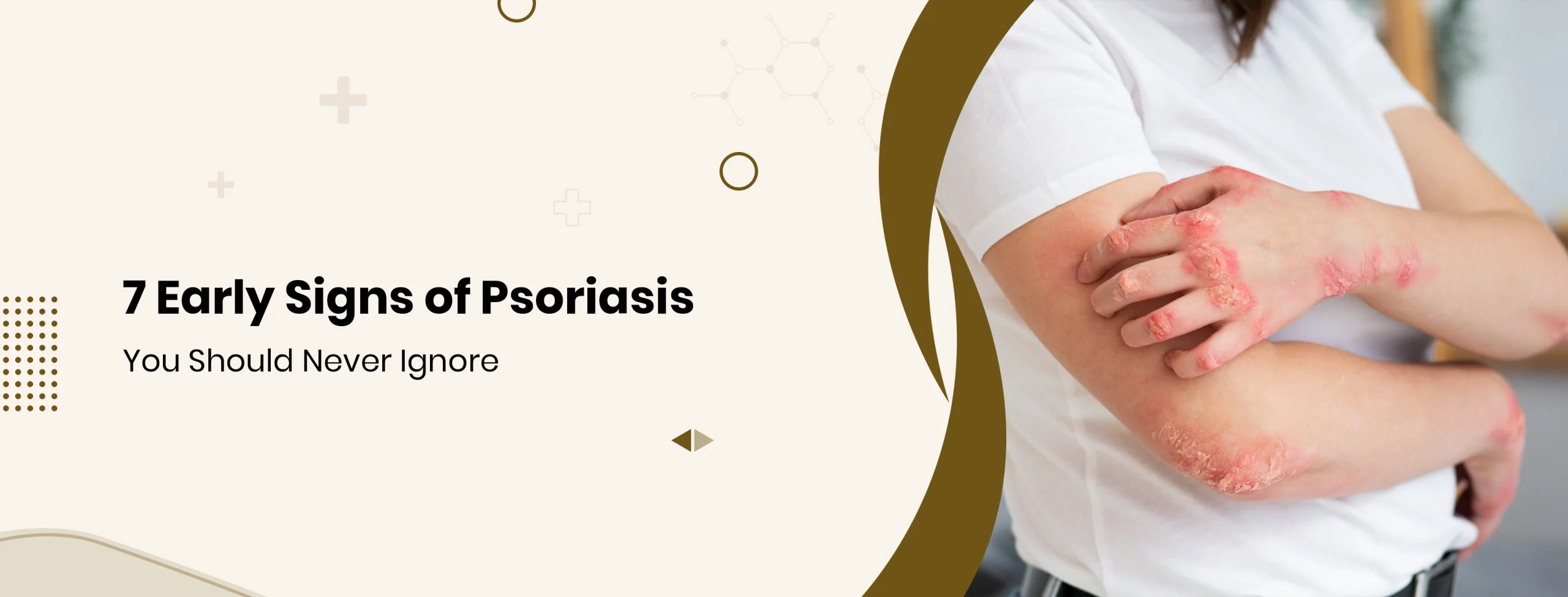
The first symptoms of psoriasis usually appear on the skin. Red spots appear on the skin with white or silver scales on top. The skin becomes dry, cracked and itchy profusely. Some people have dandruff on their head. Along with this, changes in nails and joint pains may also occur. These symptoms start slowly rather than all at once. That’s why many people mistake them for dry skin or eczema. If this problem is increasing day by day, it is important to consult a skin specialist for proper tests and treatment.
Psoriasis is not just a common skin problem. It is a chronic problem that affects the skin and your self-confidence too. Many people mistake its early symptoms for dry skin, dandruff, or a general rash. This delays proper treatment. The sooner you recognize these symptoms, the better they can be controlled and relieved. Although psoriasis can be difficult to completely prevent, early detection can prevent it from getting worse. Understanding your skin is the first step to proper care.
What is Psoriasis?
Psoriasis is a chronic skin problem. It usually takes a few weeks for the skin cells to change, and in people with this problem, new cells grow faster within just a few days. This causes thick, dry layers (scales) to form on the skin. The important thing is that it is not contagious. Psoriasis does not spread from one person to another. It does not spread at all by touching. This problem comes and goes. In some, symptoms are mild, while in others, they are more severe or occur more often.
Psoriasis symptoms
- Red spots on the skin
One of the first symptoms of psoriasis is red or pink spots on the skin. Initially they start small and become big. They mostly appear on elbows, knees, scalp and lower back. The skin on that part feels burning or slightly puffy. Many people think it is eczema or allergy. If these red spots do not subside for a few weeks, it is better to see a doctor.
- White or silver scales
Thick white or silver layers (scales) form on red spots. They are formed due to rapid growth of skin cells. They peel off like a shell when scratched. Although it looks like dry skin, it does not go away with regular moisturizers.
- Dryness, skin cracking
Everyone’s skin gets dry at some point. But psoriasis can make the skin very dry. The skin cracks, becomes flaky, rough and sometimes even bleeds. These cracks cause a lot of pain in the hands and feet.
- Itching and burning
Many people with psoriasis have extreme itching. Although the itching is less at first, slowly it becomes harder for them to sleep and even to do some daily tasks. Some people feel their skin burning. Scratching can exacerbate the problem.
- Dandruff-like symptoms
Psoriasis on the scalp is very common. At first it feels like normal dandruff. White flakes fall on clothes and shoulders. However, it is not just dandruff. It is accompanied by red spots, thick layers and unrelenting itching. It does not go away with normal dandruff shampoos.
- Changes in nails
Psoriasis is not only on the skin but also on the nails. Small pits form on the nails. The nails thickens and discolour (white or yellow). Separation of the nail from the finger. Many mistake it for a fungal infection. So be careful if these changes are seen in the skin as well as the nails.
- Joint pains
Some people start having joint pains early in addition to skin problems. Fingers stiffen, and joints swell. There is Knee pain and difficulty walking when you wake up in the morning. This is called ‘psoriatic arthritis’. Do not neglect any skin problem as well as joint pain.
Why is psoriasis so common? (Triggers)
Psoriasis get worse or exacerbated for some reason:
Mental stress: Stress Damage to the skin Infections Winter / Cold weather Use of certain types of medication
Infections: skin infections or respiratory bugs can force the immune system to overreact and sometimes it triggers psoriasis.
Medications: Beta blockers and lithium-containing drugs may trigger symptoms.
When to see a doctor?
If you experience any of the symptoms listed below, seek evaluation by a Dermatologist.
Rash that doesn’t go away for a few weeks.
Spots spreading all over the body.
Severe itching that affects daily activities.
Painful, bleeding, or cracked skin.
Changes in nail or joint pains.
How Does Homeopathy Help in Psoriasis?
Homeopathic treatment of psoriasis is purely individual. This method does not specifically focus on the skin patches but examines the patient’s overall condition and ailments that he/she suffers from. Sometimes lifestyle factors and medical history are taken into account to detect possible reasons for regular exacerbations. As a result of such a thorough evaluation, the individual gets his/her own homeopathic remedies aimed to facilitate the natural healing process and decrease the number of exacerbations. Since each patient is unique, the therapy is developed for each individual case.
Dr. Skin Homeopathy’s approach
In Dr. Skin Homeopathy, we provide medicine according to everyone’s body constitution. We provide you with a unique treatment based on your overall health condition and lifestyle, not just the visible spots. Regular check-ups, skin care tips and a good lifestyle can help keep psoriasis under control.
Skin care habits for Psoriasis
Always keep the skin moist (Moisturized). Do not scratch the skin. Use mild soaps and creams without chemicals. Reduce stress with yoga or meditation. Drink enough water. Follow the precautions given by the doctor regularly.
Conclusion
Psoriasis starts with small changes. Don’t neglect to have a few red spots or a small scale. Instead of relying on over the counter medicine, consulting the right doctor early on can ensure that the problem does not get bigger. If you or someone in your family has such symptoms, consult a Dr. Skin homeopathy specialist for appropriate advice and treatment.
Frequently Asked Questions
What is usually the first sign of psoriasis?
Can psoriasis start with dandruff?
Yes. Psoriasis on the head (scalp psoriasis) initially feels like stubborn dandruff. If the flaking is thick, with red spots, it is better to see a doctor.
Is psoriasis contagious?
No. Psoriasis is not contagious at all. It does not spread to someone else either by touching someone, using their clothes, or being close.
Can homeopathy treat psoriasis?
Homeopathy follows an individualized approach. Treatment is provided based on the person’s symptoms, health history and complete health condition. Its main purpose is to boost the body’s immunity and prevent psoriasis from recurring.
When should I see a doctor for psoriasis?
If you see persistent red spots, scaly spots, severe itching, changes in nails or joint pains on the skin, see a doctor immediately. Early detection help you take proper treatment and keep the problem under control.
All Categories
Recent Posts